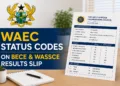


The 2024 West African Senior School Certificate Examination (WASSCE) has sparked controversy, with parents protesting over withheld results. According to Kofi Asare, the Executive Director of Africa Education Watch, the level of examination malpractice witnessed in the 2024 WASSCE was both “legendary and shameful.” He predicts that at least 80,000 candidates may not receive results for one of their core subjects, disrupting their transition to tertiary education.
In a statement, Mr. Asare expressed deep concern over the rise in malpractice cases. He noted that in 2023, the rate of malpractice was an unprecedented 10%. However, based on the West African Examinations Council’s (WAEC) preliminary report for 2024, the figure is expected to rise to between 12% and 15%. Eduwatch estimates that about 160,000 cases of suspected malpractice have been withheld for investigation in subjects such as Integrated Science and Core Mathematics.
While acknowledging that some innocent candidates may be affected, Asare urged WAEC to remain firm in its enforcement of rules without fear or favor. He also called on parents to play a more active role in discouraging their children from engaging in exam malpractice, particularly by paying dishonest teachers who facilitate cheating.
The Role of Corrupt Invigilators
A major concern raised by the Eduwatch boss is the role of invigilators and supervisors in enabling mass cheating. He argued that such large-scale malpractice could not occur without their collusion. He proposed that if entire subject results are canceled in a particular exam hall without a prior report from supervisors, all invigilators and supervisors involved should face sanctions or dismissal. Additionally, private schools found guilty should have their WAEC examination centers shut down.
According to Asare, over 300 schools were implicated in exam malpractice in 2024, making it imperative for the Ministry of Education (MoE), the Ghana Education Service (GES), the National Schools Inspectorate Authority (NaSIA), and WAEC to convene and address the crisis.
Recommendations to Curb Examination Malpractice
To tackle this growing menace, Asare outlined key recommendations, including:
- Strict Sanctions for Complicit Officials – Amending the GES Code of Conduct to ensure that teachers or school staff involved in examination malpractice face outright dismissal.
- Closure of Malpractice Hotspots – Private schools serving as hubs for exam fraud should have their WAEC accreditation revoked.
- Establishment of an Independent Complaints Office – Kofi Asare believes WAEC cannot be trusted to investigate itself. He recommends the establishment of an independent complaints office under the MoE to handle cases of unfair treatment by WAEC officials. This would ensure that candidates facing injustices have a fair hearing without enduring the high cost and delays associated with litigation.
The Consequences of Inaction
Mr. Asare warned that if immediate action is not taken, the integrity of the education system will continue to erode, jeopardizing the future of students and the country’s human capital. He also cautioned candidates about the risks of being banned by WAEC, emphasizing that those responsible for orchestrating exam fraud have already “cashed out” while affected students now face an uncertain future.
He ended with a call to action: “Parents, MoE, GES—our inaction on exam malpractice today will have repercussions on the future of our children and human capital tomorrow. Yesterday’s tomorrow is today!”
As efforts to clamp down on exam malpractice intensify, the question remains—will these reforms be enforced, or will corrupt invigilators and fraudulent practices continue to undermine the credibility of Ghana’s education system?
Published By: Justice Donkoh | GESHub.org