
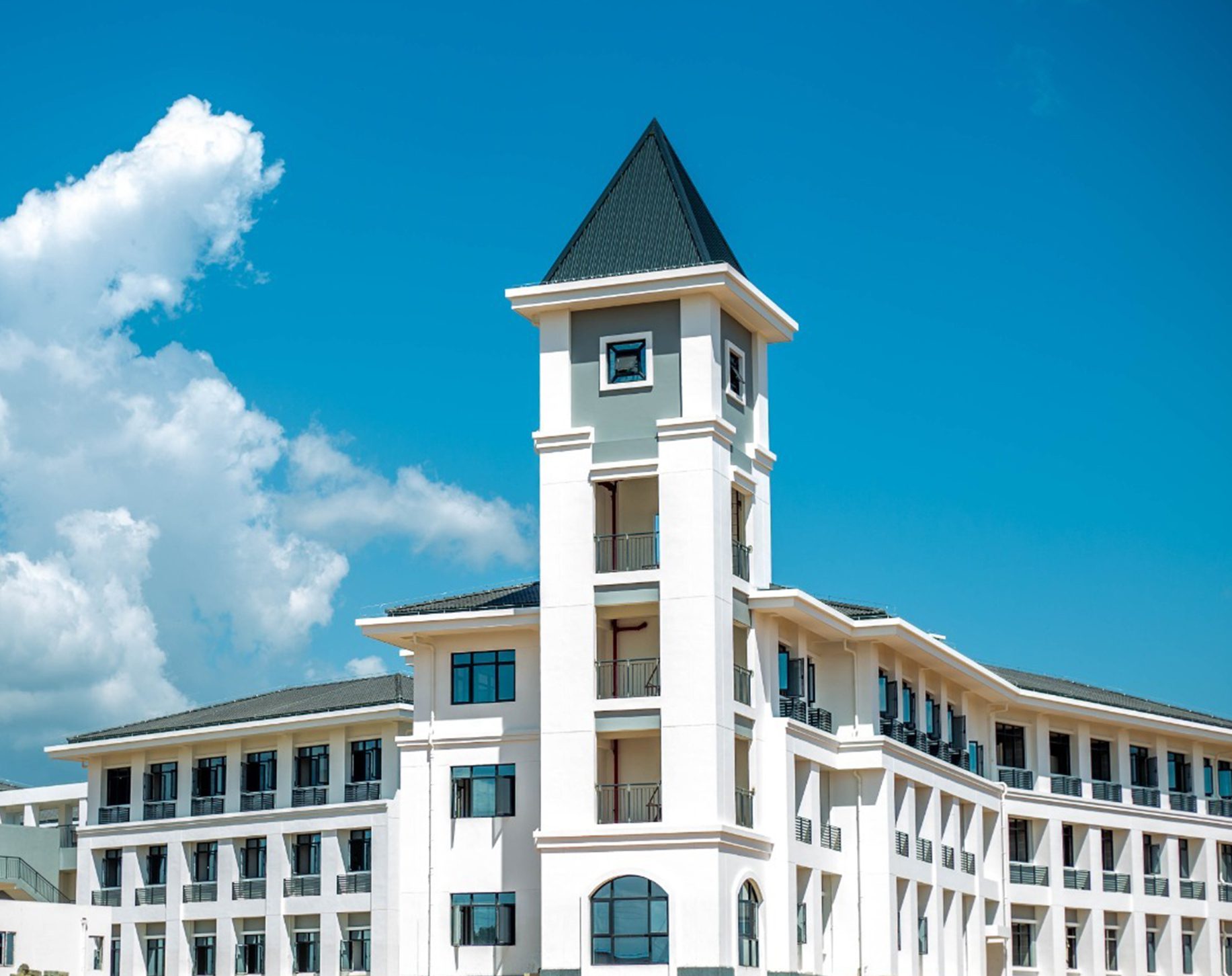

The daily commute for students of the University of Health and Allied Sciences (UHAS) in Ho has become a frustrating and costly ordeal. With inadequate transportation services and limited accommodation options near the main campus, students are left with no choice but to spend a significant amount of money on transport or endure long waits for a ride.
A recent encounter by Prince Kingsley Afedo, a local real estate professional, highlights the challenges these students face. While escorting a client to a land site near the UHAS Main Campus, he offered a lift to three students who reside along the Godokpoe New Road. During their conversation, the students shared the financial strain they experience due to transportation costs. According to them, hiring a motorbike for a round trip to campus costs between GHS 40-50—an amount that quickly becomes unsustainable for students managing their expenses on a tight budget.
This is not an isolated case. Every morning, UHAS students can be seen stranded at various points, including Dave, Trafalgar Taxi Rank, Nogora Junction, and Mirage, as they struggle to secure transportation to campus. Many arrive late to lectures, already exhausted from the stress of their commute. The situation not only affects their academic performance but also their overall well-being.
The problem stems from a lack of adequate hostels near the main campus and an insufficient number of shuttle services to accommodate the growing student population. Without immediate intervention, this issue will continue to impact students’ academic experiences and financial stability.
There is a pressing need for private investors and stakeholders to step in. Constructing hostel facilities closer to campus would significantly reduce students’ dependence on costly transportation while providing them with a more convenient and secure living environment. Similarly, establishing an affordable and efficient transport service exclusively for UHAS students could help alleviate their struggles and prove to be a profitable venture.
The daily challenges faced by these students call for urgent action. It is time for policymakers, entrepreneurs, and community leaders to come together and develop sustainable solutions that will ease the burden on students and support their educational pursuits. The need is clear—the question is, who will rise to the occasion?
Published By: Justice Donkoh | GESHub.org