
In the pursuit of a well-rounded and effective education system, collaboration between educational institutions and parents plays an important role. Recognizing this importance, the Ghana Education Service (GES) has introduced the Parent Association Guidelines Handbook for schools.
This handbook serves as a comprehensive guide to foster a positive and cooperative relationship between schools and parents, ultimately benefiting the overall educational experience for students.
Understanding the Purpose
The first section of the handbook delves into the purpose behind the establishment of parent associations in schools. It emphasizes the need for parents to actively engage in their children’s education, contribute to school development, and participate in decision-making processes.
By fostering a sense of community and shared responsibility, the handbook aims to create a conducive learning environment for all stakeholders.
Formation and Structure of Parent Associations
This chapter outlines the step-by-step process of establishing and structuring parent associations within schools. From the election of executive members to the creation of sub-committees, the handbook provides a detailed framework for building a robust parent association that can effectively collaborate with school authorities.
Roles and Responsibilities
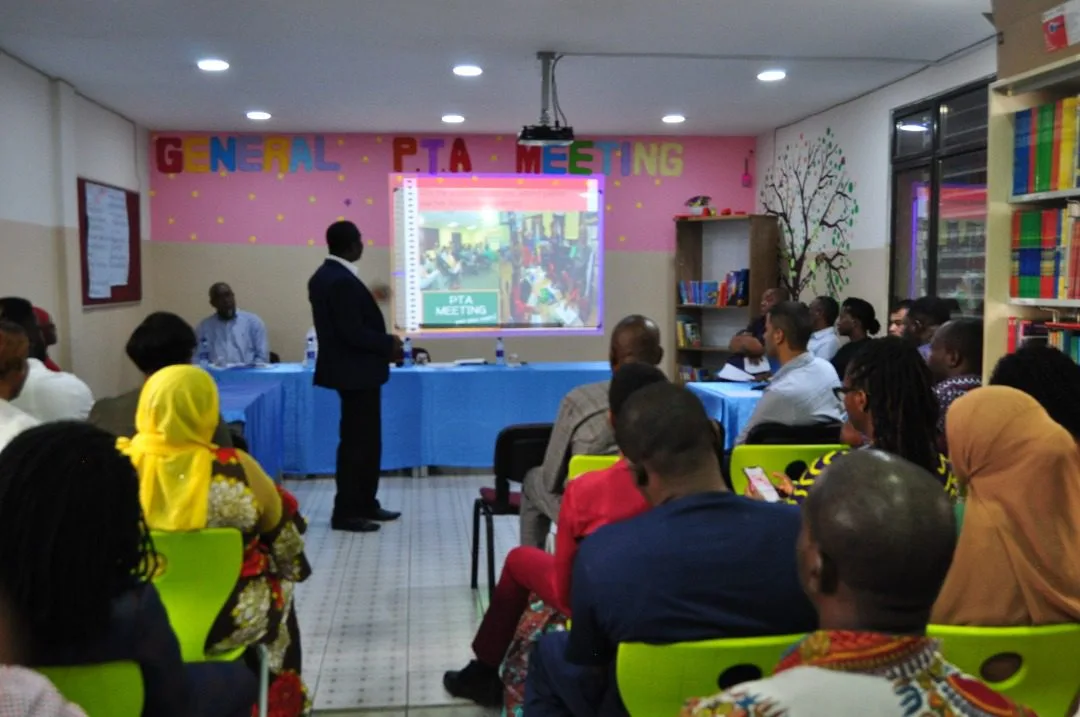
To ensure a harmonious partnership between parents and schools, clear roles and responsibilities are outlined in this chapter. Parents are encouraged to actively participate in school activities, attend parent-teacher meetings, and contribute to fundraising efforts. Additionally, the handbook emphasizes the importance of open communication channels between parents and school administrators.
Financial Management and Fundraising
Financial matters are addressed in this section, detailing how parent associations can manage funds transparently and responsibly. It provides guidelines on fundraising initiatives that align with the school’s development goals. The handbook encourages creative and sustainable fundraising methods that engage the entire school community.
Resolving Conflicts and Disputes
Recognizing that conflicts may arise, the handbook provides a structured approach to resolving disputes within the parent association and between parents and school authorities. By emphasizing open communication, mediation, and collaboration, the guidelines aim to maintain a positive and constructive atmosphere within the school community.
Best Practices and Success Stories
Drawing inspiration from successful parent associations, this chapter highlights best practices that have positively impacted schools. It showcases success stories where active parent involvement has led to improved educational outcomes, enhanced facilities, and overall school development.
Conclusion
The Ghana Education Service Parent Association Guidelines Handbook for schools is a valuable tool for fostering collaboration between parents and educational institutions.
By promoting transparency, responsibility, and open communication, the handbook sets the stage for a successful partnership that ultimately benefits the students and contributes to the growth and development of schools in Ghana.
As parents, teachers, and administrators come together, the pathway to educational success becomes clearer, and the impact on future generations is immeasurable.
Download the Ghana Education Service Parent Association (PA) guidelines handbook for schools on this page.
Published By: Justice Donkoh | GESHub.org