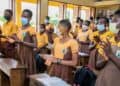


In a comprehensive analysis of government expenditures related to the Free Senior High School (SHS) program in Ghana, recent findings have shed light on both successes and challenges.
The study, which examined budgetary allocations and expenditures from the academic years 2017/18 to 2022/23, offers a nuanced perspective on the impact of the program on both parents and the nation’s economy.
One significant revelation from the report is the 38% increase in prospectus prices since the initial implementation of the Free SHS policy.
Delving into the financial burden carried by parents, Divine Kpe emphasized that continuing-day students’ parents reported an average annual expenditure of GH¢4,400. Transportation and breakfast accounted for 40% and 50%, respectively, with the remaining 10% allocated to books.
The financial strain on parents has not only affected their day-to-day expenses but has also contributed to a 15% failure rate among candidates to honor their admission in the 2022/2023 academic year. High prospectus and education material costs emerged as major contributors to this alarming statistic.
To address these challenges, the report recommends a targeted approach by the Ministry of Education, focusing on children from the poorest households. By leveraging data from the LEAP program, the government can allocate more funds to cover the full cost of secondary education for students from lower-income households.
Additionally, the Ministry of Finance is urged to enhance the disbursement of funds under the policy, aligning with objectives, implementation arrangements, and cash flow projections.
As the financial strain of the Free SHS policy becomes increasingly apparent, the Akufo-Addo government is facing mounting pressure from various stakeholders.
The opposition National Democratic Congress (NDC) and civil society organizations are calling for a reassessment of the program. Suggestions range from making expenditure cuts to targeting individuals genuinely unable to afford secondary education.
One notable figure expressing concern is Prof. Stephen Adei, the Chairman of the National Development Planning Commission.
Prof. Adei highlights that the GH¢7.6 billion expenditure on the program over the past five years is taking a toll on Ghana’s economy. He emphasizes the urgent need for a thorough review of the Free SHS policy to ensure its sustainability without compromising the nation’s financial stability.
Conclusion
The Free SHS program in Ghana has undoubtedly increased access to education, but the financial implications for both parents and the nation cannot be ignored.
As stakeholders continue to voice their concerns and recommendations, the government faces the crucial task of balancing accessibility with financial sustainability. A thoughtful and strategic review may be the key to ensuring the long-term success of the Free SHS policy while safeguarding the economic well-being of Ghana.
Published By: Justice Donkoh | GESHub.org