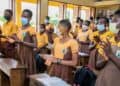


In recent discussions surrounding education in Ghana, particularly the implementation of the Free Senior High School (SHS) policy, the Wesley Girls’ Senior High School (SHS) has emerged at the forefront, raising critical concerns that demand immediate attention.
The Parent Association (PA) of Wesley Girls’ SHS has initiated a poignant call for stakeholder engagement to reevaluate the Free SHS policy. This plea follows alarming revelations made by the school’s head prefect and headmistress regarding the dire living conditions of some students, who are compelled to sleep on the floor due to overcrowded dormitories.
Central to the PA’s argument is the lamentable state of infrastructure, aggravated by the restriction imposed by the Free SHS policy, which prohibits parental financial contributions towards school development projects. This constraint has left the PA and the community unable to address pressing infrastructure needs adequately.
During the recent speech and prize-giving day, the PA highlighted the paradoxical situation wherein the government’s purported care for students seems to impede rather than facilitate parental involvement and support. They emphasized that the school’s existing infrastructure owes much to the efforts of the PA and the local community, emphasizing the need for collaborative efforts to tackle infrastructure challenges in Wesley Girls SHS and other senior high schools across the country.
Echoing these sentiments is a mother whose daughter’s health has been severely impacted by the substandard living conditions at the school. She shared the distressing account of her daughter forced to sleep on the floor since the start of the term, coupled with concerns over the quality and adequacy of the provided meals, which have reportedly led to health complications.
Despite these urgent calls for action, skepticism looms over the possibility of policy revision. Dr. Clement Apaak, Deputy Ranking Member on the Education Committee of Parliament, expressed doubts regarding the willingness of committee members, particularly from the governing New Patriotic Party (NPP), to address the challenges associated with the Free SHS policy. He lamented the reluctance of NPP members to engage in substantive discussions on policy review.
The situation at Wesley Girls SHS highlights the need for a comprehensive review of the Free SHS policy, considering its implications on infrastructure development, parental involvement, and student welfare. It is imperative that the government and all relevant stakeholders heed the calls for dialogue and take concerted action to ensure that education policies not only promote access but also uphold standards of quality and inclusivity.
In moving forward, prioritizing the well-being and educational experience of Ghanaian students must remain paramount. Only through collaborative efforts and a commitment to addressing systemic challenges can we truly realize the promise of equitable and quality education for all.
Published By: Justice Donkoh | GESHub.org