
The Government of Ghana and Organised Labour have officially signed a landmark Agreement on Base Pay for 2026, marking a new chapter in public sector remuneration. The agreement, signed on November 9, 2025, outlines a significant improvement in the Single Spine Salary Structure (SSSS), ensuring fair compensation for public sector workers across the country.
Key Highlights of the Agreement
The agreement was reached after successful negotiations between the Government of Ghana, represented by the Fair Wages and Salaries Commission (FWSC) and the Ministry of Finance, and Organised Labour, representing workers’ unions and associations under the Public Services Joint Standing Negotiating Committee (PSJSNC).
1. 9% Increase in Base Pay
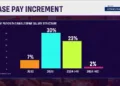
Effective from January 2026 to December 2026, the Base Pay on the Single Spine Salary Structure (SSSS) will be increased by 9% across the board. This adjustment reflects the government’s commitment to improving the welfare of public servants and cushioning workers against inflationary pressures.
2. Continued Engagement on Conditions of Service
As part of the agreement, the Government of Ghana has pledged to continue engagement with unions on all outstanding conditions of service. This collaborative approach ensures that workers’ concerns are addressed through dialogue and negotiation, promoting industrial harmony in the public sector.
3. Regular Economic Management Discussions
The agreement further emphasizes that all parties will engage regularly on the management of the national economy. This collaborative framework aims to ensure that salary negotiations are guided by realistic economic indicators and fiscal responsibility.
Signatories to the Agreement
The historic agreement was signed by key representatives from both government and organised labour:
- Dr. George Smith-Graham, Chief Executive of the Fair Wages and Salaries Commission (FWSC)
- Bro. Joshua Ansah, Secretary-General of the Trades Union Congress (TUC)
The signing ceremony was witnessed by:
- Hon. Dr. Cassiel Ato Forson (MP), Minister for Finance
- Dr. Isaac Bampoe Addo, Executive Secretary of CLOGSAG
Implications of the 2026 Base Pay Increase
This 9% increment in base pay is expected to have a positive impact on thousands of public sector workers, including teachers, health professionals, civil servants, and other government employees under the Single Spine Salary Structure.
The move demonstrates the government’s commitment to maintaining industrial peace, while balancing the national budget and ensuring fiscal sustainability.
FAQs About Ghana’s 2026 Base Pay & Salary Negotiations
1. What is the 2026 Base Pay in Ghana?
The 2026 Base Pay refers to the minimum salary level used to determine the wages of public sector workers under Ghana’s Single Spine Salary Structure (SSSS). For 2026, the Government of Ghana and Organised Labour have agreed to a 9% increase across the board.
2. When will the new 2026 Base Pay take effect?
The new 2026 Base Pay will take effect from January 1, 2026, and will remain in force until December 31, 2026. All public sector employees on the Single Spine Salary Structure (SSSS) will benefit from the increment.
3. How much is the 2026 salary increase for public sector workers?
The final agreement confirmed a 9% salary increase for all public sector workers under the Single Spine Salary Structure (SSSS).
4. Who signed the 2026 Base Pay Agreement?
The agreement was signed by Dr. George Smith-Graham, Chief Executive of the Fair Wages and Salaries Commission (FWSC), and Bro. Joshua Ansah, Secretary-General of the Trades Union Congress (TUC).
It was witnessed by Hon. Dr. Cassiel Ato Forson (MP), Minister for Finance, and Dr. Isaac Bampoe Addo, Executive Secretary of CLOGSAG.
5. What is the Single Spine Salary Structure (SSSS)?
The Single Spine Salary Structure (SSSS) is Ghana’s standardized pay policy that ensures fairness and equity in public sector salaries. It aligns wages across different public institutions based on job value and responsibility.
6. Why was the 2026 Base Pay increased by only 9%?
The 9% increment was the outcome of negotiations balancing workers’ demands with the government’s fiscal capacity. While some unions called for higher increases, the agreed percentage aims to maintain economic stability and sustainability.
7. Which government body leads salary negotiations in Ghana?
The Fair Wages and Salaries Commission (FWSC) leads salary negotiations on behalf of the Government of Ghana, working closely with the Trades Union Congress (TUC) and other labour organizations.
8. What were Organised Labour’s initial demands?
Organised Labour initially proposed a 20% increase, which was later revised to 15% during negotiations. The government initially offered 2.5%, then 5%, before both sides settled on 9%.
9. Will the 2026 Base Pay affect pensions and allowances?
Yes. Since the Base Pay forms the foundation for salary calculations, the increase will also influence pension contributions, allowances, and other salary-related benefits for public sector workers.
10. How can I confirm the details of the 2026 Base Pay Agreement?
You can access the official document from the Fair Wages and Salaries Commission (FWSC) website or through press releases by the Trades Union Congress (TUC) and CLOGSAG.
11. What happens next after the 2026 Base Pay agreement?
The government and labour unions will continue engagements on other conditions of service, such as allowances and non-monetary benefits, while monitoring the implementation of the new pay rates.
12. How does the 2026 Base Pay compare to previous years?
The 2026 increase of 9% is slightly lower than some previous increments but reflects current economic challenges and the government’s focus on fiscal responsibility.
Conclusion
The Agreement on Base Pay for 2026 reflects a collaborative and forward-looking effort by the Government of Ghana and Organised Labour. The 9% salary increase signifies not just a financial adjustment, but also a reaffirmation of the mutual commitment to worker welfare, economic stability, and equitable development.
For more updates on public sector salary negotiations, base pay adjustments, and Fair Wages and Salaries Commission (FWSC) announcements, stay tuned for verified information from official government channels.

Published By: Justice Donkoh | GESHub.org