
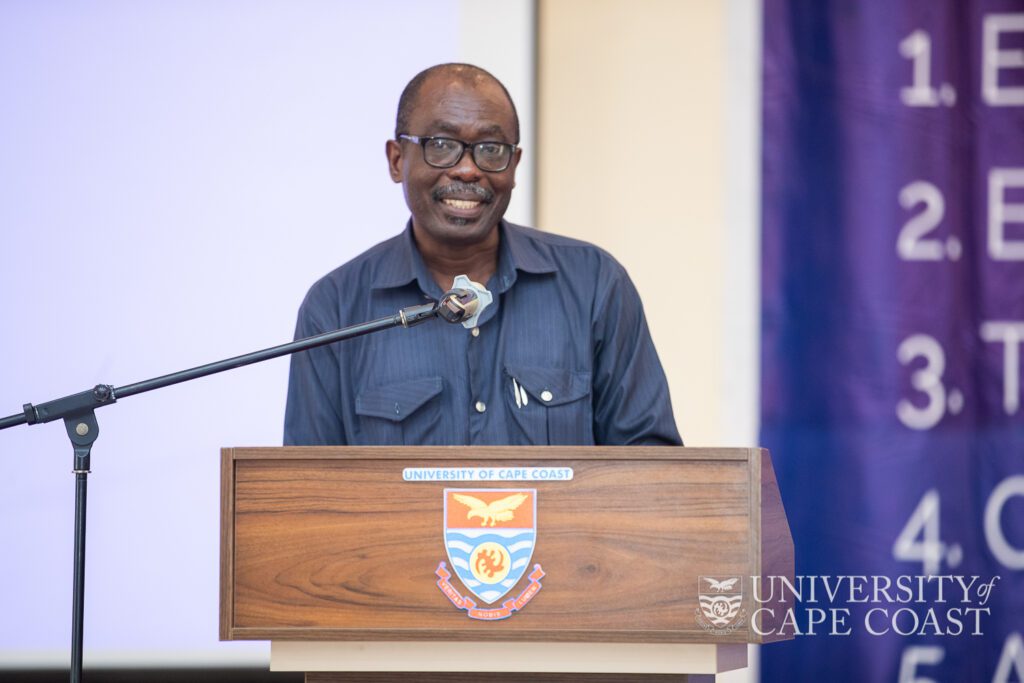

The appointment of Prof. Ernest Kofi Davis as the new Director-General of the Ghana Education Service (GES) has opened up discussions within the education sector, with many stakeholders urging him to make teachers’ welfare, career upgrading, and pending recruitments a top priority. As he steps into his role, educators and graduates alike are hopeful that his leadership will bring much-needed reforms to improve working conditions and create opportunities for professional growth.
A System in Need of Reform
Ghana’s education system relies heavily on the dedication of teachers, yet many continue to face challenges such as delayed promotions, lack of financial incentives, and uncertainty surrounding recruitment processes. While previous administrations have made efforts to address these concerns, many issues remain unresolved, leading to frustration among teachers and graduates awaiting employment.
With Prof. Davis’s background in academia and educational leadership, expectations are high that he will implement policies that uplift the teaching profession, ensure timely recruitment, and introduce sustainable upgrading programs for educators.
Key Areas That Need Urgent Attention
1. Timely Teacher Recruitment & Postings
One of the most pressing issues is the pending recruitment of graduate teachers who have been left in limbo due to administrative delays and financial clearance constraints. The GES recruitment portal (gespromotions.gov.gh) has been offline for weeks, preventing many applicants from checking their status or downloading appointment letters.
Before leaving office, Dr. Eric Nkansah assured graduates that efforts were being made to secure clearance for pending applicants, but with his exit, many now look to Prof. Davis to ensure swift action is taken to resolve the backlog and expedite postings.
2. Improving Teachers’ Welfare & Salary Structures
For years, teachers have advocated for better salaries, allowances, and improved conditions of service, yet progress has been slow. Many educators feel undervalued, with salary delays, unpaid arrears, and inadequate incentives dampening morale.
Teacher unions and education advocates are calling on Prof. Davis to engage the government in negotiations that will lead to improved salaries, better benefits, and timely payments to keep educators motivated and committed to their roles.
3. Career Upgrading & Professional Development
Professional development is key to ensuring quality education delivery, yet many teachers struggle to access upgrading opportunities, promotions, and refresher training programs.
Stakeholders are urging the new Director-General to expand teacher training programs, facilitate scholarship opportunities, and implement a structured promotion system that rewards hard work and dedication.
4. Restoring Confidence in GES Leadership
The leadership transition at GES comes at a time when trust in the system is wavering, particularly due to issues like delayed recruitment, lack of transparency in postings, and unfulfilled promises to teachers.
Prof. Davis’s appointment presents an opportunity to restore confidence by ensuring open communication, engaging stakeholders in decision-making, and implementing policies that directly benefit teachers and students.
The success of Ghana’s education system depends on the motivation, welfare, and professional growth of its teachers. As Prof. Davis takes on this role, teachers, unions, and graduates are counting on him to deliver meaningful change that prioritizes their needs.
Once the issues of teacher welfare, streamlining recruitment, and improving professional development is addressed, he can lay a solid foundation for a stronger, more efficient education sector that benefits both educators and students.
All eyes are now on Prof. Ernest Kofi Davis to see how he will tackle these challenges and transform the teaching profession for the better.
Published By: Justice Donkoh | GESHub.org