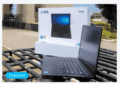

In a recent development within the educational landscape of Ghana, some teachers across the country have received a long-awaited refund for over deductions related to the payment of Teachers Mate 1 (TM1) laptops. This reimbursement, totaling 45.55 Ghana Cedis per teacher, signifies a step towards rectifying an issue that had caused significant frustration and discontent among educators.
The journey towards this refund began with the acknowledgment of over-deductions by the major teacher unions in Ghana, including the Ghana National Association of Teachers (GNAT), the National Association of Graduate Teachers (NAGRAT), and the Concerned Teachers Association of Ghana (CCT_Ghana). These unions had promised to address the discrepancy between the amounts deducted from teachers’ salaries and the actual costs of the TM1 laptops procured on their behalf.
The disclosure of this refund was made possible through the diligent efforts of GESHub.org. Teachers who have been refunded can verify the refund on their February 2024 salary payslips, where it was listed as “Teacher Laptop Deduction Arrears,” with a corresponding deduction of -45.55.
While the refund brings a sense of relief to teachers who have been eagerly anticipating resolution to this issue, it also serves as a sobering reminder of the challenges they face. The TM1 laptops, touted as tools to enhance teaching and learning, have been widely criticized for their substandard quality and limited functionality. Many teachers have expressed disappointment and frustration over the performance of these devices, which fall short of their expectations and fail to meet the demands of modern education.
In light of these shortcomings, the praise for the teacher unions’ role in securing the refund must be tempered. While their acknowledgment of the over-deductions and subsequent refund process is commendable, it does not absolve them of responsibility for the procurement of substandard laptops. Teachers rightfully expect their unions to advocate for their best interests and ensure that resources allocated for educational purposes are utilized effectively and responsibly.
Moving forward, it is imperative that lessons are learned from this experience. Teachers, unions, and educational stakeholders must work collaboratively to address the systemic issues that led to the procurement of substandard equipment. Transparency, accountability, and meaningful engagement with teachers should guide decision-making processes to ensure that future initiatives align with the needs and aspirations of educators.
Furthermore, efforts should be made to explore alternative solutions that empower teachers and enhance their professional development. Investing in sustainable technology infrastructure, providing comprehensive training and support, and fostering a culture of innovation and collaboration can contribute to the creation of a more conducive learning environment for teachers and students alike.
As educators reflect on the recent refund and its implications, they are reminded of the importance of collective action and advocacy in shaping the future of education. While the road ahead may be challenging, it is through constructive dialogue and concerted efforts that meaningful progress can be achieved. As stewards of Ghana’s educational system, teachers remain committed to advocating for positive change and ensuring that their voices are heard and respected.
Source: GESHub.org