
Many Government of Ghana employees frequently ask: How is Controller affordability calculated? Understanding how affordability works on the GOG Employee PayServices portal is essential, especially for public sector workers applying for salary-backed loans, car financing, mortgages, or other credit facilities.
The Controller and Accountant-General’s Department (CAGD) provides an affordability feature on its official e-Payslip platform, accessible via: gogepayservices.com. This article explains in detail how Controller affordability is calculated, what factors influence it, and why it matters for government employees in Ghana.
What Is Controller Affordability?
Controller affordability is a financial measurement used to determine whether a government employee can comfortably repay a loan in addition to existing salary deductions and financial obligations.
In simple terms: Affordability measures your loan repayment capacity based on your salary and existing commitments. Financial institutions rely on this figure when processing:
- Government worker loans
- Salary advance applications
- Bank loans
- Hire purchase agreements
- Car loans
- Mortgage applications
Without sufficient affordability, a loan application may be declined.
How Is Controller Affordability Calculated?
Although the Controller and Accountant-General’s Department does not publicly disclose the exact affordability formula, affordability calculations generally follow established financial assessment principles.
Key Factors Used in Calculating Controller Affordability
- Gross Salary: Your total salary before deductions is considered in affordability assessment.
- Net Salary: The amount you take home after deductions plays a critical role in determining repayment capacity.
- Existing Loan Deductions: If you already have salary-backed loans or payroll deductions, these reduce your affordability.
- Statutory Deductions: Mandatory deductions such as SSNIT contributions, taxes, and other government obligations are factored into the calculation.
- Outstanding Financial Commitments: Any active payroll-based financial obligations reduce available disposable income.
Debt-to-Income Ratio (DTI) Principle
Most affordability calculations are based on a Debt-to-Income (DTI) ratio. This ratio compares: Total Monthly Debt Payments ÷ Monthly Income. If a large percentage of your income is already committed to debt repayments, your affordability decreases.
Stress Testing in Affordability Assessment
For larger financial products such as mortgages or car financing, lenders may apply a stress test. This ensures that:
- The employee can still make repayments if interest rates increase
- The monthly loan installment remains manageable
- The borrower does not exceed safe borrowing limits
This protects both the lender and the employee from financial strain.
Affordability vs Creditworthiness: What’s the Difference?
It is important not to confuse affordability with creditworthiness.
Affordability
- Focuses on your ability to repay
- Based on salary and deductions
- Determined using payroll data
Creditworthiness
- Assesses how likely you are to repay
- Based on credit history and public financial records
- Influences loan approval and interest rates
An employee may have good creditworthiness but low affordability if existing deductions are high.
Does Affordability Appear on a Credit Report?
No. While your credit report shows your loan repayment history and monthly obligations, it does not provide a complete affordability calculation. Affordability requires full visibility of:
- Salary details
- Payroll deductions
- Net income
- Existing commitments
That is why lenders often request access to your Controller affordability status from the CAGD portal.
How to Check Controller Affordability Online
Government employees can check their affordability status directly on the official platform.
Steps to Check Affordability on GOG Employee PayServices
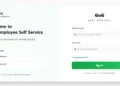
- Visit gogepayservices.com
- Enter your Staff ID (Employee Number)
- Enter your Password
- Click Login
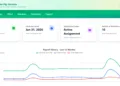
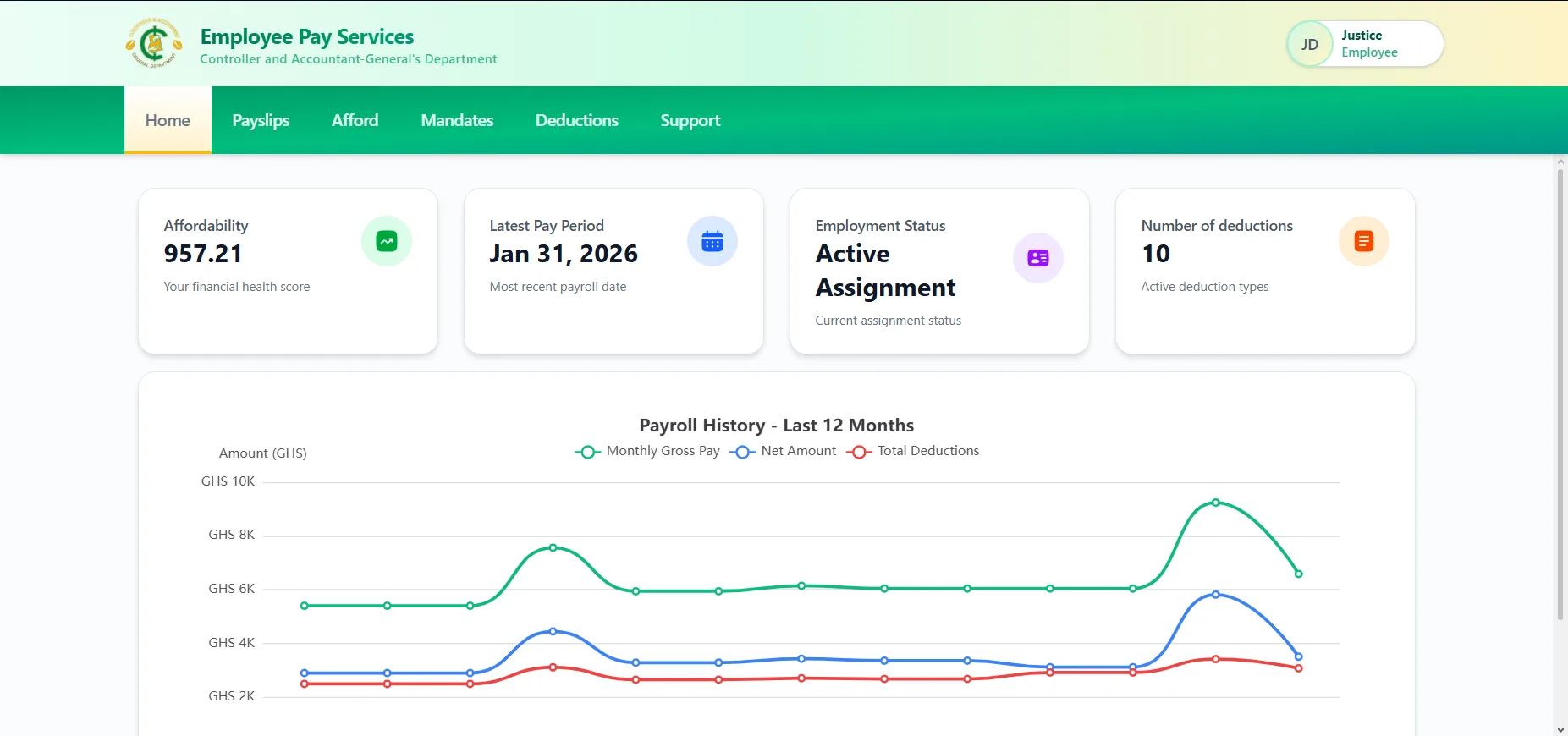
- Navigate to the “Afford” tab
- View your affordability status and related payroll details
Employees are advised to use only the official website.
Why Controller Affordability Is Important
Understanding affordability helps government employees:
- Avoid loan rejection
- Plan borrowing responsibly
- Monitor salary commitments
- Maintain financial stability
- Prepare for mortgage or car loan applications
Financial institutions rely heavily on affordability figures before approving loans.
What Affects Changes in Affordability?
Controller affordability may increase or decrease depending on:
- Salary increment or promotion
- Completion of an existing loan
- New loan deductions added
- Changes in statutory contributions
- Payroll adjustments
Employees should regularly monitor their affordability status to stay financially informed.
Final Thoughts
Controller affordability is a critical financial metric used to determine whether Government of Ghana employees can safely and responsibly take on new loans.
While the exact CAGD formula is not publicly disclosed, affordability calculations generally consider gross salary, net income, statutory deductions, and existing financial commitments.
Government employees are encouraged to regularly check their affordability status on: gogepayservices.com to make informed borrowing decisions and maintain financial stability.
Published By: Justice Donkoh | GESHub.org