
The Ghana Education Service (GES) 2024 recruitment exercise has unfolded into a hotbed of controversy, leaving many graduates frustrated, confused, and disillusioned. What began as a routine process to onboard qualified teachers has spiraled into a saga of delays, unclear statuses, and allegations of bias. Compared to previous years, the stakes in this year’s recruitment exercise feel higher, with the public outcry louder than ever.
A History of Recruitment Challenges
GES recruitment exercises have always been significant for graduates seeking teaching roles in Ghana. However, while previous years saw challenges ranging from technical glitches to moderate delays, the 2024 exercise has set a new precedent for widespread dissatisfaction. Key issues such as the ambiguous “Pending for Consideration” status, selective updates for certain graduates, and the proximity of the process to national elections have made this year’s exercise particularly contentious.
The “Pending for Consideration” Saga
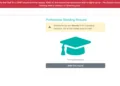
The now-infamous “Pending for Consideration” status has become the focal point of graduate frustrations. Introduced during the portal updates, the status left many applicants in limbo, sparking questions about its true meaning. Although GES clarified that it indicates applicants are “next in line” and that recruitment is being done in batches, the lack of clear timelines only deepened the frustration.
In comparison, earlier years saw delays, but applicants at least had a clearer understanding of the timeline and criteria. This year’s lack of transparency has fueled speculation and mistrust.
Allegations of Favoritism
Another source of contention in 2024 has been the perceived favoritism in recruitment. Reports of specific groups, such as Jackson Education Complex graduates, receiving postings ahead of others have stirred unrest among the larger applicant pool. These developments have led to allegations of political bias and an unfair selection process—issues that have not been as prominent in previous recruitment exercises.
Graduates have taken to social media platforms to voice their discontent, demanding an explanation for why some applicants seem to be prioritized while others remain in the “Pending for Consideration” category.
The Election Factor
The timing of the recruitment exercise, coinciding with Ghana’s presidential and parliamentary elections, has added a political dimension to the controversy. Many graduates suspect that delays in the release of appointment letters were strategically planned to influence votes, with GES and the ruling party hoping to appease unemployed graduates in the lead-up to the polls.
The slogan “Our Votes Are Pending for Consideration” became a rallying cry for dissatisfied graduates, who warned of withholding their electoral support unless their concerns were addressed. With the ruling party losing the election, some graduates now point to the delayed recruitment process as one of the administration’s failures, further amplifying the controversy.
Comparing to Past Recruitment Exercises
While no recruitment exercise is without challenges, 2024 has introduced new levels of uncertainty and dissatisfaction. In previous years:
- Timelines were clearer: Applicants had a better sense of when to expect updates, even in cases of delay.
- Technical glitches were manageable: While portal issues occurred, they were typically resolved without widespread public outcry.
- Allegations of bias were minimal: The process was perceived as more equitable, with fewer reports of favoritism or selective updates.
In contrast, the 2024 recruitment exercise has combined all these challenges into a perfect storm, resulting in heightened public scrutiny and graduate activism.
Public Sentiment and the Path Forward
The GES now faces immense pressure to restore trust and resolve the issues plaguing the 2024 recruitment exercise. Graduates are demanding clear communication, transparent timelines, and a fair recruitment process for all qualified applicants.
For GES, this moment is an opportunity to learn from the controversy and implement systemic improvements to prevent similar issues in the future. Key actions could include:
- Providing regular updates: Keeping applicants informed at every stage to manage expectations.
- Clarifying selection criteria: Offering detailed explanations for the phased approach to recruitment.
- Addressing favoritism concerns: Ensuring that all qualified applicants are treated fairly and equitably.
Conclusion
The 2024 GES recruitment exercise has undoubtedly become one of the most controversial in recent history. From the “Pending for Consideration” saga to allegations of favoritism and political interference, this year’s process has exposed deep cracks in the recruitment system.
As graduates continue to demand accountability, GES has an opportunity to turn the page by addressing these issues head-on. Whether the service can rise to the challenge and restore public trust will determine whether this year’s controversy is remembered as a turning point—or just another chapter in a growing list of frustrations.
Source: GESHub.org