The 2024 Ghana Education Service (GES) recruitment exercise has become a lightning rod for controversy, with many graduate applicants alleging that the process is riddled with bias.
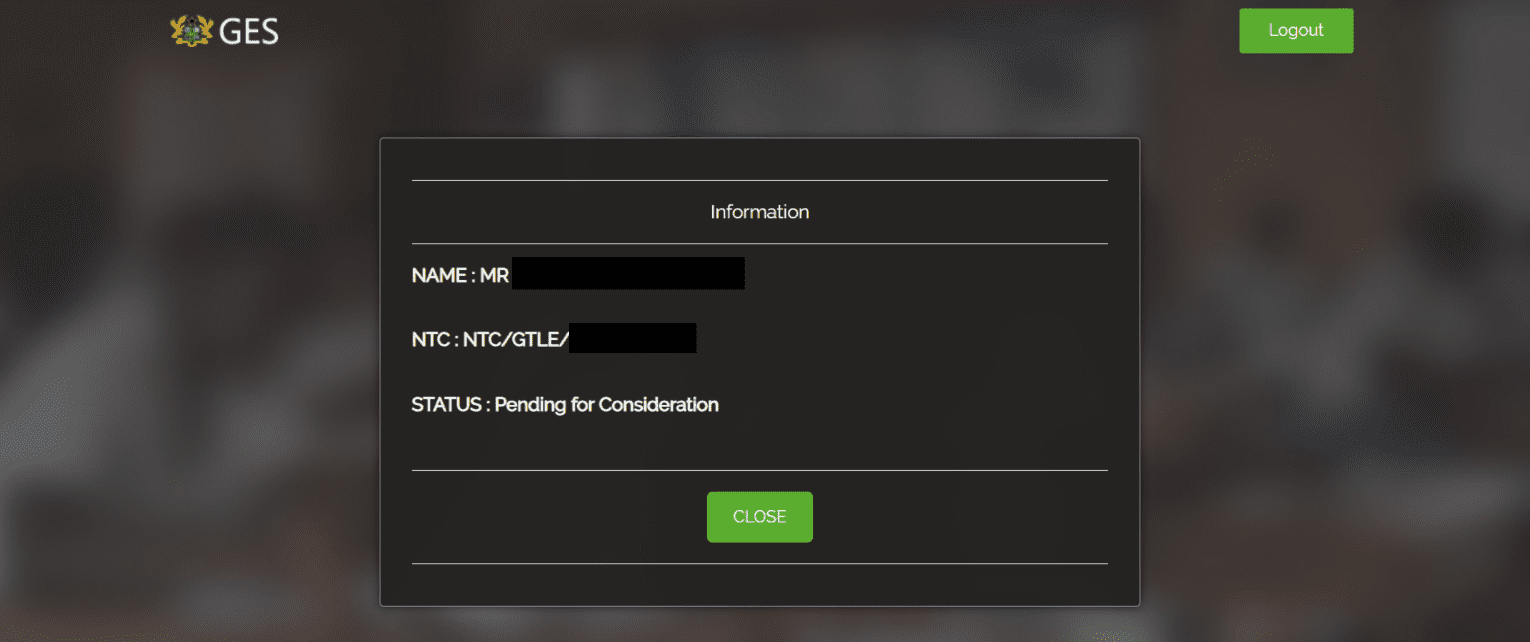
Frustration among applicants continues to mount as reports suggest that certain institutions, such as Jackson Education Complex, have seen their graduates receive appointment letters while thousands of others are stuck in the ambiguous “Pending for Consideration” category. Is GES playing favorites, or is there a more nuanced explanation for the apparent disparities?
The Growing Frustration
For many graduates, the GES recruitment process has become synonymous with confusion and disappointment. Applicants have taken to social media to express concerns that the system is neither transparent nor fair. The selective release of appointment letters has left a significant portion of graduates feeling overlooked, despite meeting all requirements for recruitment.
Some of the key grievances include:
- Institutional Bias: Allegations that graduates from certain schools, such as Jackson Education Complex, are being prioritized.
- Lack of Transparency: GES has not provided clear criteria for how batches are determined or why some applicants receive letters while others wait.
- Inequity in Postings: Concerns that political connections or institutional affiliations might be influencing decisions.
Institutional Advantage or Strategic Selection?
The perception of bias has been fueled by reports that graduates from institutions like Jackson Education Complex have had their statuses updated and received postings. This has led to speculation that GES favors certain institutions due to:
- Partnerships or Agreements: Some believe that GES might have special arrangements with these institutions, allowing their graduates to be fast-tracked in the recruitment process.
- Specialized Training: Institutions like Jackson Education Complex are known for producing graduates with robust teacher training, which could make them more attractive to GES recruiters.
- Regional Needs: GES may be filling vacancies in specific areas, and graduates from certain institutions could be better positioned to meet those needs.
While these possibilities offer logical explanations, the lack of communication from GES leaves room for doubts and suspicions of favoritism.
Allegations of Political Influence
Another dimension to the controversy is the suspicion that political considerations might be at play. In an election year, some applicants believe that GES might be using the recruitment exercise to secure political favor.
- Promises vs. Reality: Graduates claim that vague assurances like “Pending for Consideration” are designed to keep them hopeful and prevent backlash.
- Selective Postings: The release of letters to some groups but not others has further fueled the perception of a politically influenced agenda.
The Need for Transparency
If GES wants to rebuild trust, transparency must be prioritized. Here’s what applicants and observers believe the agency should do:
- Clarify the Batch System: Clearly explain the criteria for determining which applicants are included in each batch of postings.
- Address Allegations of Bias: Directly respond to concerns about institutional favoritism and provide evidence to demonstrate a fair process.
- Engage Applicants: Open channels of communication to address individual concerns and provide updates on the recruitment process.
- Publish Statistics: Sharing data on how many applicants have been posted, by region and institution, could dispel fears of inequity.
A Broader Reflection on Fairness
The allegations of favoritism in the GES recruitment process reflect broader frustrations about equity and transparency in public service hiring. For graduates who have invested years of study and training, the recruitment exercise is a critical milestone. When the process appears opaque or biased, it undermines trust not just in GES, but in the entire system.
Graduates want to know that their hard work and qualifications—not their school affiliation or connections—will determine their future.
Conclusion
The GES 2024 recruitment exercise has undoubtedly been one of the most contentious in recent memory. While reports of selective postings remain unverified, the growing frustration among applicants highlights the urgent need for GES to address perceptions of bias.
Until GES provides clarity, the cloud of favoritism allegations will continue to hang over this year’s recruitment exercise, leaving many graduates wondering if their turn will ever come—or if they’ve been left out for reasons beyond their control.
Source: GESHub.org