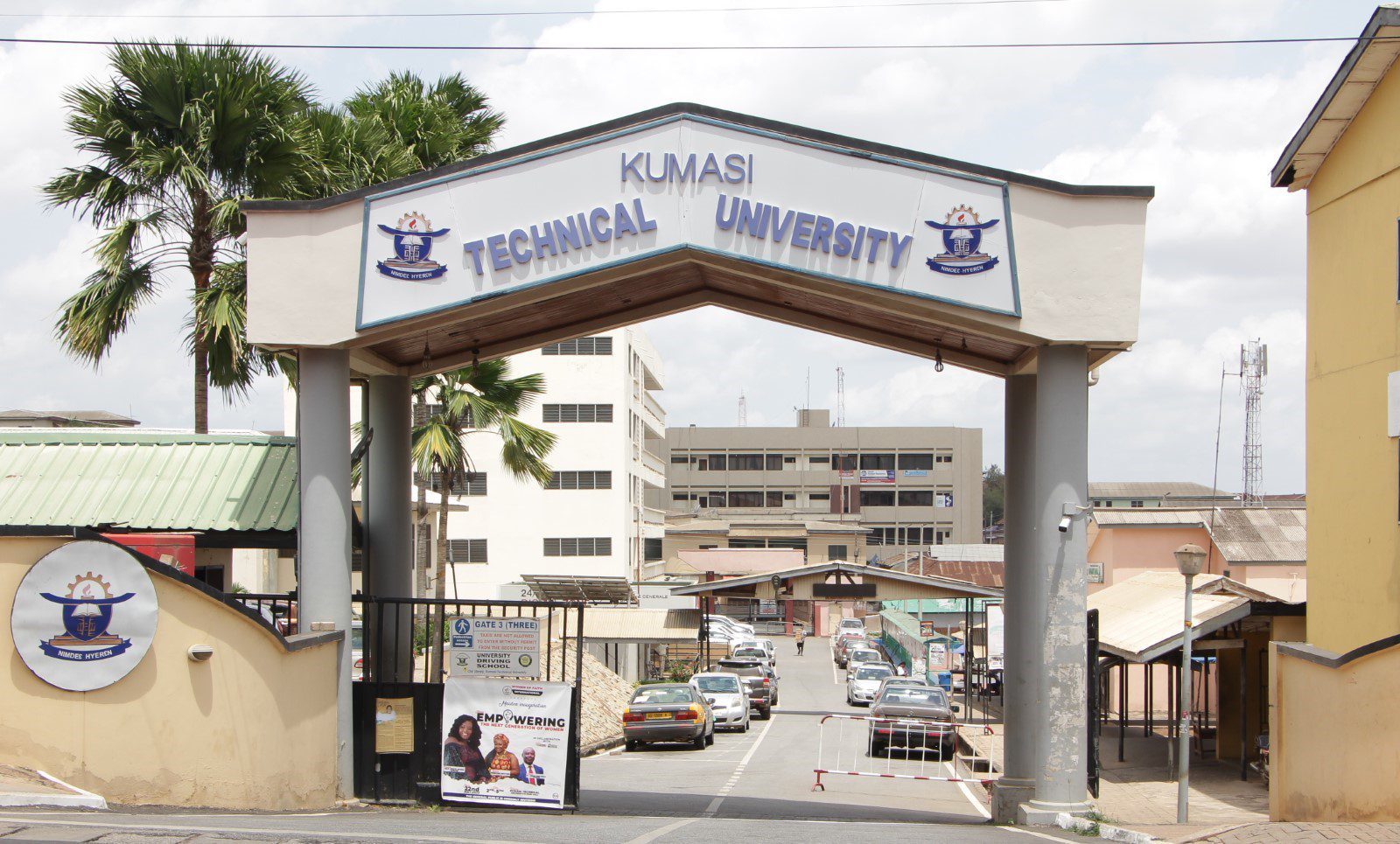
In a recent revelation, the Kumasi Technical University (KsTU), formerly known as Kumasi Polytechnic, has found itself in hot water due to the presence of 32 unaccredited programs, as highlighted in the 2021 Auditor General’s Report.
This issue has raised concerns not only about the quality of education but also about the impact it has on students aiming to pursue higher studies at other universities. In this blog post, we delve into the details of this situation and the steps being taken to rectify it.
According to the 2021 Auditor General’s Report, KsTU has been offering a range of programs without accreditation from the Ghana Tertiary Education Commission (GTEC). These programs include five Master of Technology programs, nine Bachelor of Technology programs, 17 Higher National Diploma (HND) programs, and one Diploma program.
The revelation came to light during the Public Accounts Committee (PAC) of Parliament’s sitting, sparking concerns about the impact on students and the overall quality of education.
Running unaccredited programs is a matter of grave concern, as it directly affects the students enrolled in these programs. When students graduate from such programs, they may face difficulties when applying for higher studies at other universities. The lack of accreditation not only questions the validity of their qualifications but also limits their opportunities for further education and career advancement.
In response to this alarming situation, the Public Accounts Committee (PAC) of Parliament has called upon the Ghana Tertiary Education Commission (GTEC) to take swift action. The PAC urged GTEC to consider implementing automatic renewals for ongoing programs and expedite their accreditation processes.
Additionally, they stressed the importance of regular monitoring to ensure the proper implementation of accreditation in universities and to prevent setbacks for prospective students.
The management of Kumasi Technical University has taken steps to address the issue. They reported that 16 of the 32 unaccredited programs have already received accreditation, while the remaining 16 programs are in various stages of the accreditation process.
They also emphasized that the accreditation process can take between six months and one year, indicating their commitment to rectifying the situation.
It is essential to note that the issue of running unaccredited programs is not limited to KsTU alone. Dr. James Klutse Avedzi, the Chairman of the PAC, pointed out that this is a common phenomenon across traditional universities in Ghana.
He highlighted that both universities and GTEC share some responsibility for delays in granting accreditation, emphasizing the need for collaboration to find a solution.
The revelation of unaccredited programs at KsTU serves as a reminder of the importance of ensuring the quality and legitimacy of higher education. Students’ futures are at stake, and addressing this issue is critical. The government, universities, and accrediting bodies must work together to streamline accreditation processes, reduce delays, and guarantee that students receive the education they deserve.
Source: GESHub.org