
The University of Cape Coast (UCC), one of Ghana’s premier tertiary institutions, is widely regarded for its picturesque campus, academic excellence, and its rich history. A defining aspect of life at UCC is its halls of residence, which serve not only as homes to students but as key pillars of campus culture and tradition. This article explores the history and details of the university’s halls of residence, highlighting their unique characteristics and significance.
History of the University of Cape Coast
UCC was established in 1962 as a college under the University of Ghana, primarily to train graduate teachers for secondary schools and teacher training colleges in Ghana. It attained full university status in 1971. Situated in the scenic coastal town of Cape Coast, the university quickly grew into a major academic institution, expanding its facilities, courses, and student population.
The halls of residence became integral to the institution’s development, fostering a strong sense of community and serving as the heartbeat of campus life.
Overview of Halls of Residence
UCC currently has several halls of residence, which are categorized into two groups: traditional halls and non-traditional halls. Each hall has its own identity, history, and culture, contributing to the overall dynamic student experience.
1. Atlantic Hall
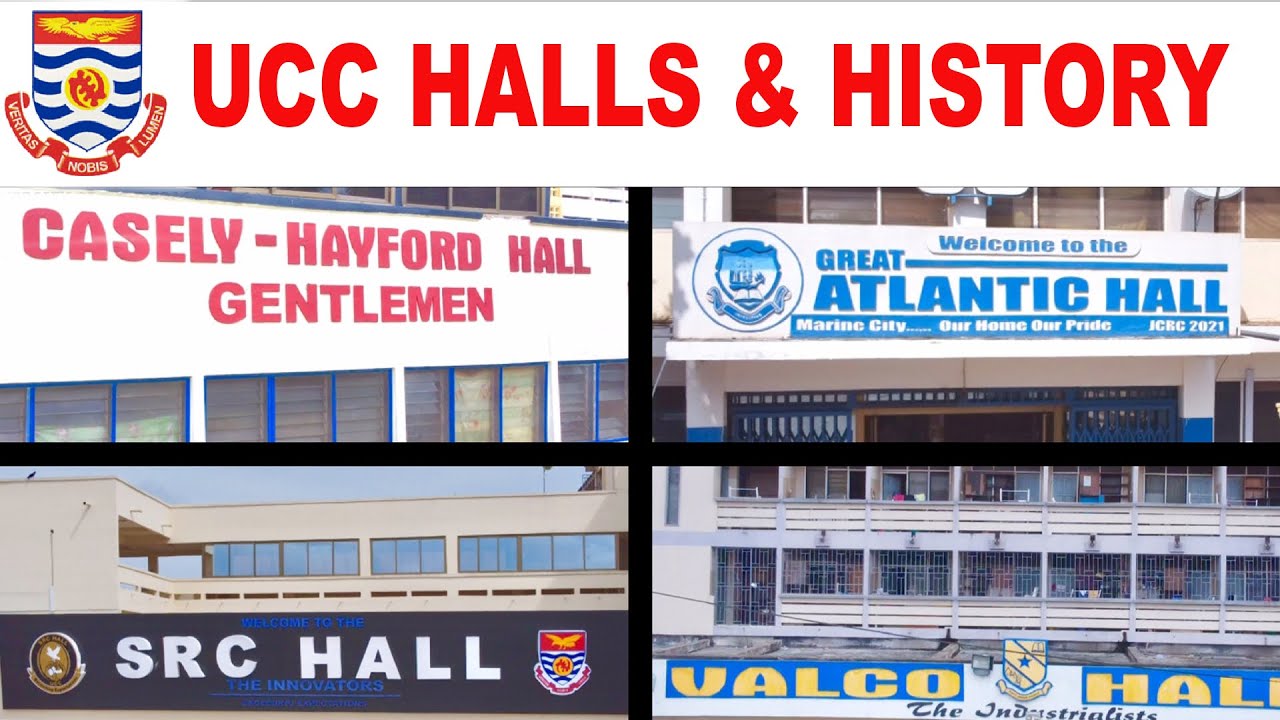
Atlantic Hall, popularly known as “ATL,” is one of the most prominent traditional halls at UCC. Established in 1963, it was the first male hall at the university. Over time, Atlantic Hall evolved into a mixed-gender hall. Known for its special culture, ATL boasts an iconic annual celebration, the “ATL Hall Week,” which features colorful events, including parades and musical concerts.
Notable Features:
- Colors: Blue and white.
- Nickname: Mariners.
- Motto: “No limits, no boundaries.”
2. Oguaa Hall
Oguaa Hall was named after Cape Coast, which is traditionally referred to as “Oguaa” in the Fante language. Established in 1967, Oguaa Hall serves as one of the largest mixed-gender halls at UCC and is known for its peaceful environment and academic focus.
Notable Features:
- Colors: Green and yellow.
- Nickname: Gentlemen and Ladies of Oguaa.
3. Kwame Nkrumah Hall
Kwame Nkrumah Hall, named after Ghana’s first president, was established in 1967. It is the largest traditional hall on campus and a preferred choice for many students. The hall’s residents, known as “Nkrumahites,” are known for their activism, strong sense of unity, and hall pride.
Notable Features:
- Colors: Black and orange.
- Nickname: Nkrumahites.
- Motto: “Forward ever, backward never.”
4. Casely Hayford Hall
Casely Hayford Hall, also established in 1967, is named after J. E. Casely Hayford, a prominent Pan-Africanist and lawyer. The hall, originally a male-only facility, later became coeducational. It is known for its rich traditions, strong alumni network, and competitive spirit.
Notable Features:
- Colors: Red and white.
- Nickname: Casfordians.
- Motto: “Truth Stands.”
5. Valco Hall
Valco Hall was inaugurated in 1994 with funding from the Volta Aluminium Company (VALCO). This hall is popular among students for its modern facilities and strategic location on campus. It is a mixed-gender hall and houses both undergraduate and graduate students.
Notable Features:
- Colors: Blue and yellow.
- Nickname: Valcoans.
6. Adehye Hall
Adehye Hall, meaning “royalty” in the Akan language, was established in 1999 as an all-female hall. It stands out for its emphasis on creating a nurturing environment for female students, fostering leadership, and promoting academic excellence.
Notable Features:
- Colors: Black and white.
- Nickname: Royals.
Non-Traditional Halls
In addition to the traditional halls, UCC has a range of non-traditional halls that accommodate the growing student population. These halls are privately owned but managed in collaboration with the university. They include names like the SRC Hall, Superannuation Hall, and others, providing modern residential facilities and amenities.
Significance of the Halls of Residence
- Cultural Identity: Each hall fosters a unique identity, creating a sense of belonging among its residents.
- Traditions and Rivalries: From hall weeks to inter-hall sports competitions, the halls are at the heart of UCC’s student life.
- Academic Support: Halls provide conducive environments for study, mentorship, and academic collaboration.
- Leadership Development: Many students gain leadership experience through hall councils and associations.
The halls of residence at the University of Cape Coast are more than just living spaces; they are a vibrant part of the institution’s heritage. From the mariners of ATL to the royals of Adehye, these halls encapsulate the spirit of UCC, fostering a culture of unity, diversity, and excellence. As UCC continues to grow, its halls of residence remain vital to shaping the student experience and the university’s legacy.
Source: GESHub.org