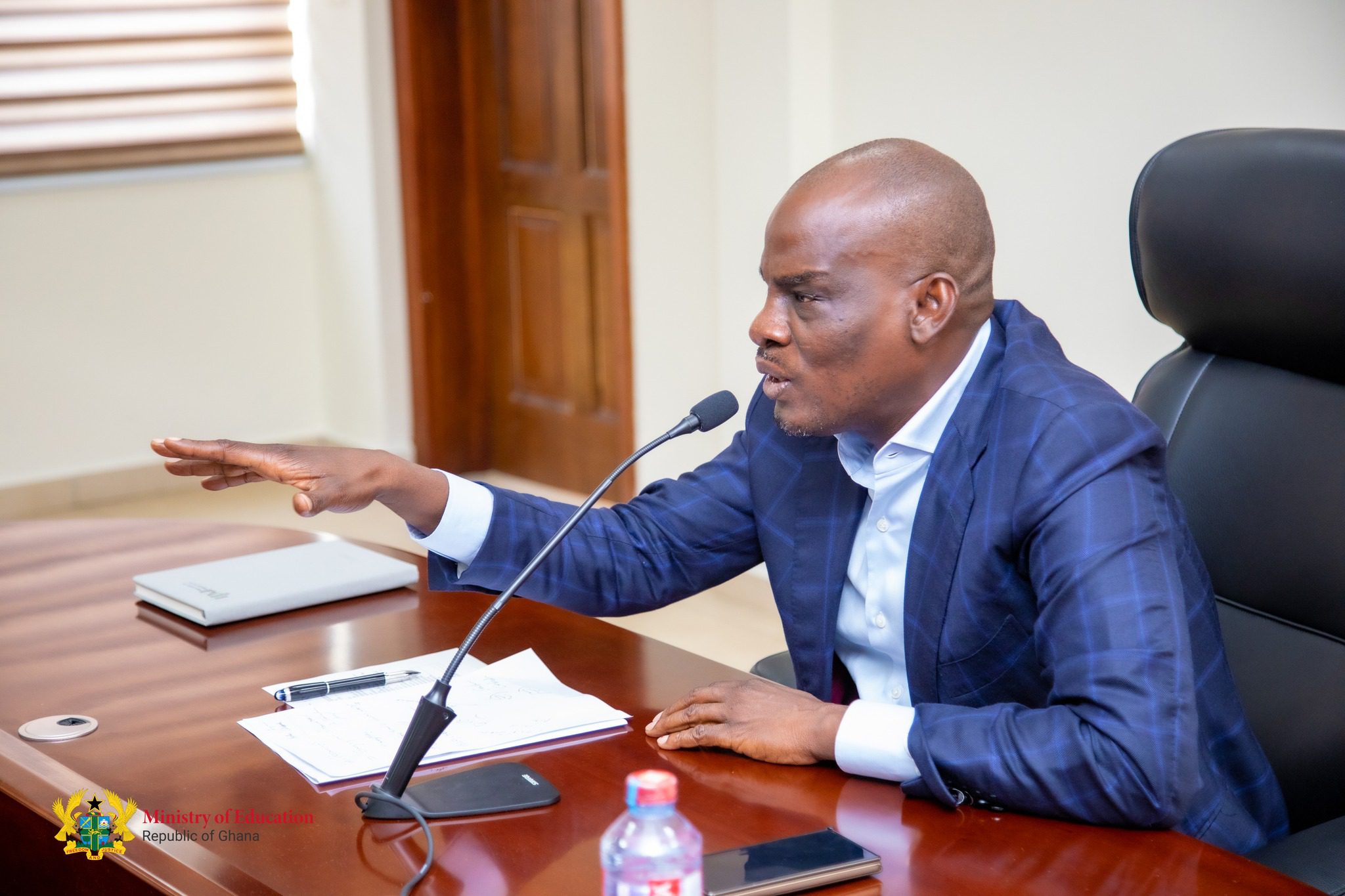

In an exciting development for Ghana’s education sector, the Ministry of Education, headed by Mr. Haruna Iddrisu, is working closely with the Ministry of Finance to secure financial clearance for the recruitment of 93,000 teachers. This recruitment initiative will target multiple institutions, ranging from public universities to technical colleges and tertiary education commissions. These new appointments will fill existing vacancies and help improve the quality of education across the nation.
With education being the cornerstone of national development, this historic recruitment drive is designed to address the growing demand for teachers in a wide variety of sectors within the country’s education system. Let’s take a closer look at the specific institutions that will benefit from this financial clearance.
1. Public Universities and Colleges
As part of this recruitment initiative, public universities and colleges in Ghana will be among the first to see significant changes. There is an increasing need for qualified faculty members to support the expanding academic programs and improve teaching quality. The introduction of 93,000 new teaching roles will provide an opportunity to fill these gaps and meet the growing educational demands of universities across the country.
With universities like the University of Ghana, Kwame Nkrumah University of Science and Technology (KNUST), and University of Cape Coast (UCC) being central to higher education in Ghana, this recruitment drive will help strengthen the teaching staff and provide better opportunities for university students in Ghana.
“The need for qualified teachers in higher education is urgent, and this recruitment drive will play a crucial role in enhancing the quality of university education in Ghana,” stated Haruna Iddrisu during his address at the 22nd Biennial Congress of UTAG.
2. Ghana Tertiary Education Commission (GTEC)
The Ghana Tertiary Education Commission (GTEC), the regulatory body for tertiary education in Ghana, will also be a key beneficiary of this recruitment. The GTEC ensures quality assurance across the country’s tertiary institutions and helps manage the development of higher education policies.
Recruiting teachers and academic staff through the GTEC will not only fill critical vacancies but also strengthen the commission’s ability to oversee quality education at public and private tertiary institutions across Ghana. These new hires will likely assist in ensuring that higher education institutions meet national and international standards, contributing to a robust education system.
3. Ghana Education Service (GES)
One of the largest components of the recruitment plan is the Ghana Education Service (GES), which oversees primary and secondary education across the country. With the current education landscape facing a growing number of student enrollments, it’s essential that the GES expands its teaching staff to meet the increasing demand for quality education.
The 93,000 teacher recruitment plan will fill vacancies within GES schools, helping ensure that every classroom has a qualified teacher, particularly in rural and underserved areas. This will be a significant step toward bridging the education gap, improving educational outcomes, and promoting equity in education across all regions of Ghana.
“We need more teachers to support the growing number of students in our schools. This initiative will have a lasting impact on our education system, ensuring that students across the country receive quality education,” Mr. Iddrisu emphasized.
4. Technical and Vocational Education and Training (TVET) Service
Another key area set to benefit from the teacher recruitment initiative is the Technical and Vocational Education and Training (TVET) Service. TVET institutions in Ghana provide essential skills training to students in fields like engineering, construction, hospitality, and more. These fields are critical for Ghana’s economic growth, and having qualified instructors is crucial for delivering top-tier skills training.
By recruiting 93,000 new teachers, including those with technical expertise, the government aims to boost the quality and reach of TVET institutions across Ghana. This will not only fill current vacancies but will also ensure that Ghana’s technical and vocational workforce remains competitive and adaptable in an evolving global economy.
The Impact of Financial Clearance on Teacher Recruitment
The announcement that the government is working to secure financial clearance for this massive recruitment effort signals a new era of opportunity for aspiring teachers in Ghana. The recruitment process will span a range of teaching positions across various sectors of the education system, from public universities to technical schools and tertiary education commissions.
For job seekers in Ghana, especially graduates from colleges of education and university-trained teachers, this initiative provides a rare opportunity to secure stable, impactful positions that contribute to the development of the country’s education system.
By targeting multiple institutions under the Ghanaian education umbrella, the government is ensuring that quality education is not limited to any one sector. The widespread nature of this recruitment will have a positive ripple effect on the entire education ecosystem.
Conclusion: Strengthening Ghana’s Education Sector
The financial clearance for 93,000 teacher recruitments marks a major milestone for Ghana’s education system. With a focus on public universities, the Ghana Tertiary Education Commission (GTEC), the Ghana Education Service (GES), and the TVET Service, this initiative will address staffing shortages, improve the quality of education, and create thousands of job opportunities for qualified teachers.
As Ghana continues its journey towards national development through education, these steps signal the government’s commitment to building a skilled, well-trained workforce that can meet the demands of a growing economy and a modern, globalized world.
Published By: Justice Donkoh | GESHub.org