

Salary is a crucial aspect of any job, and understanding the components of your compensation package is essential for financial planning. In Ghana, as in many countries, the base pay salary forms the foundation of an employee’s overall earnings.
In this blog post, we will explore what base pay salary means in the Ghanaian context, its components, and factors that can influence it.
Defining Base Pay Salary
Base pay salary, often referred to as basic salary, is the fixed amount of money that an employee receives regularly, excluding additional bonuses, allowances, or overtime. It serves as the core component of an individual’s compensation package and is the starting point for calculating other benefits.
Components of Base Pay Salary in Ghana:
Basic Salary
- The fundamental element of the base pay is the basic salary. It is the agreed-upon amount between the employer and the employee for the job role, responsibilities, and qualifications.
Cost of Living Allowance
- In some cases, employers may provide a cost of living allowance, which is an additional amount to help employees cope with the expenses associated with living in a particular area.
Job Grade or Level
- Employees in Ghana are often assigned a job grade or level based on factors such as experience, skills, and responsibilities. The base pay can vary depending on the assigned grade.
Industry Standards
- Different industries may have varying salary standards. The base pay in Ghana is influenced by the industry in which the organization operates.
Negotiation and Skills
- An employee’s negotiation skills and the specific skills and qualifications they bring to the job can impact the base pay. Individuals with unique expertise may command a higher salary.
Factors Influencing Base Pay Salary in Ghana
Education and Qualifications
- Higher educational qualifications and relevant certifications can contribute to an increased base pay. Employers often value employees with advanced degrees or specialized training.
Experience
- The number of years of experience in a particular field can significantly influence the base pay. Experienced professionals may command higher salaries than entry-level counterparts.
Market Demand for Skills
- Skills that are in high demand in the job market can lead to a higher base pay. Industries facing a shortage of skilled professionals may offer more competitive salaries.
Inflation and Economic Conditions
- Economic conditions, including inflation rates, can impact the base pay salary. Organizations may adjust salaries to keep pace with the cost of living.
Conclusion
Understanding the components and factors influencing base pay salary in Ghana is essential for both employers and employees. It provides clarity on how compensation is structured and helps individuals make informed decisions about their career and financial well-being.
As the job market continues to evolve, staying informed about salary trends and industry standards is crucial for achieving fair and competitive compensation in Ghana.
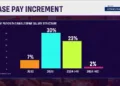
Learn more about the new Base Pay Salary increment agreement reached for 2024 for public sector workers in Ghana and how to calculate the new percentage increment on it on this page.
Published By: Justice Donkoh | GESHub.org